Skip to content

Urban Data Science & Equitable Cities

By 2050, the UN projects that 68% of the population will live in a city. With urban life shaping health and opportunity, using data to guide decisions and reduce inequality is critical. In this EAAMO Bridges working group, we host speakers, study papers, and workshop late-stage work on computational analysis of urban data, emphasizing topics that explore and address inequities in urban life.

We meet every other week on Mondays 12-1pm EST for a presentation followed by sustained discussion. Join our mailing list or contact one of the organizers for Zoom information. We would be happy to see you at our next meeting!

Upcoming Talks & Speakers

Feb 2, 2026

Unveiling and Mitigating Disparities in the Ride-Hailing Industry

Hanyong Xu · Massachusetts Institute of Technology
urban planningride sharingtransportationequity

App-based ride-hailing platforms have transformed urban mobility, but their expansion has raised growing concerns about equity across neighborhoods. This talk brings together two projects to examine this topic with empirical evidence and methodological approaches. The first project examines how ride-hailing platforms and traditional street-hail taxis have served different communities over time. Using six years of New York City trip records, I analyze spatial-temporal differences in pricing and coverage between Transportation Network Companies (TNCs) and taxis. The results show that these differences are dynamic and became more pronounced during major disruptions such as the COVID-19 pandemic. Areas with higher shares of carless households experienced rapidly widening fare gaps, while minority-concentrated neighborhoods initially benefited from lower TNC fares but gradually lost relative coverage advantages during and after the pandemic. The second project shifts from measuring disparities to addressing them with predictive demand modeling. We show that common spatiotemporal prediction models prioritize overall accuracy while overlooking spatial and demographic imbalances in prediction errors. To address this, we introduce a Residual-Aware Attention block and an equality-enhancing loss function that explicitly account for spatial disparity during training. Applied to travel demand prediction in Chicago, this approach substantially reduces spatially clustered errors and improves fairness metrics with only modest losses in accuracy, supporting more equitable planning and policy decisions.

Feb 16, 2026

Equity in urban transportation: Gendered travel differences in Canada

Maria Laura Guerrero Balarezo · Polytechnique Montréal
urban planninggender disparitiestransportationurban mobility

There is a growing conversation in academic circles, media, and decision-making spaces about the need to achieve gender equity in many aspects of society, including transportation. In urban transportation, public transport safety concerns disproportionately affect women, while transportation systems for all modes (transit, bike, pedestrian) are still not implementing policies and solutions that sufficiently adapt to women’s needs. One challenge to designing effective policies is a general lack of disaggregated, reliable, and up-to-date information about women’s travel patterns. This talk will focus on new avenues to explore differences in travel patterns between men and women and how these results could translate into urban policy, using Canadian cities as case studies.


Recent Speakers & Activites

Dec 15, 2025

Studying the street: Movement, Measurement, Contestation

Daniel Romm · McGill University
urban planningtransportationmicromobilityinfrastructureresearch

Many cities today are redesigning their streetscapes to redress the historical privilege afforded to the automobile in planning and policy. Much streetscape redesign is around transport infrastructure space, which largely prioritizes car travel and marginalizes other travel modes. Attempts by planners and policy makers to this end often are met with public opposition by advocates of the car, protesting about losing space on the street. This is empirically investigated with the case of Montréal by determining the allocation of street space to transport infrastructures, deriving measures of infrastructure space per traveller, and devising an Equal Infrastructure Allocation score to measure the imbalance between infrastructure provision per travel mode. Per borough, the distribution of transport infrastructure is examined, alongside correlations with demographic, socio-economic, land use, and crash rate variables. Potential scenarios of significant micromobility infrastructure improvement are modelled to test how infrastructure space apportionment per mode changes. This investigation discovers that even large improvements to micromobility infrastructure have a minor effect on space allocated to automobiles. Equal Infrastructure Allocation score and associated indicators are presented as useful tools for planners and policy makers implementing micromobility infrastructure projects, to better communicate with the public and address potential opposition.

Dec 1, 2025

Targeted urban afforestation can substantially reduce income-based heat disparities in U.S. cities

Lelia Hampton · Massachusetts Institute of Technology
urban planningclimateheat mitigationafforestationresearch

Previous studies on urban heat mitigation, critical for urban planning and public health, have generally focused on a handful of cities, ignored logistical constraints, or insufficiently resolved urban-scale processes. Here, we fuse satellite-derived estimates of urban heat and multiple physical properties to develop a non-parametric machine learning approach to capture non-linearities in thermal anomalies (ΔAT) across 493 U.S. cities. This enables computationally-efficient data-driven assessments of urban heat mitigation strategies, including strategies targeting low-income communities since ~90% of these cities show income-based temperature disparities. All strategies lower daytime ΔAT, with targeted afforestation with (without) albedo management reducing daytime ΔAT for low income groups from 0.56±0.94℃ to 0.22±0.92℃ (0.24±0.93℃) and income-based ΔAT gap from -0.50±0.94℃ to -0.15±91℃ (-0.17±93℃). Our results demonstrate the importance of targeted heat mitigation in low income communities, where residents have less options to adapt to extreme heat.

Oct 20, 2025

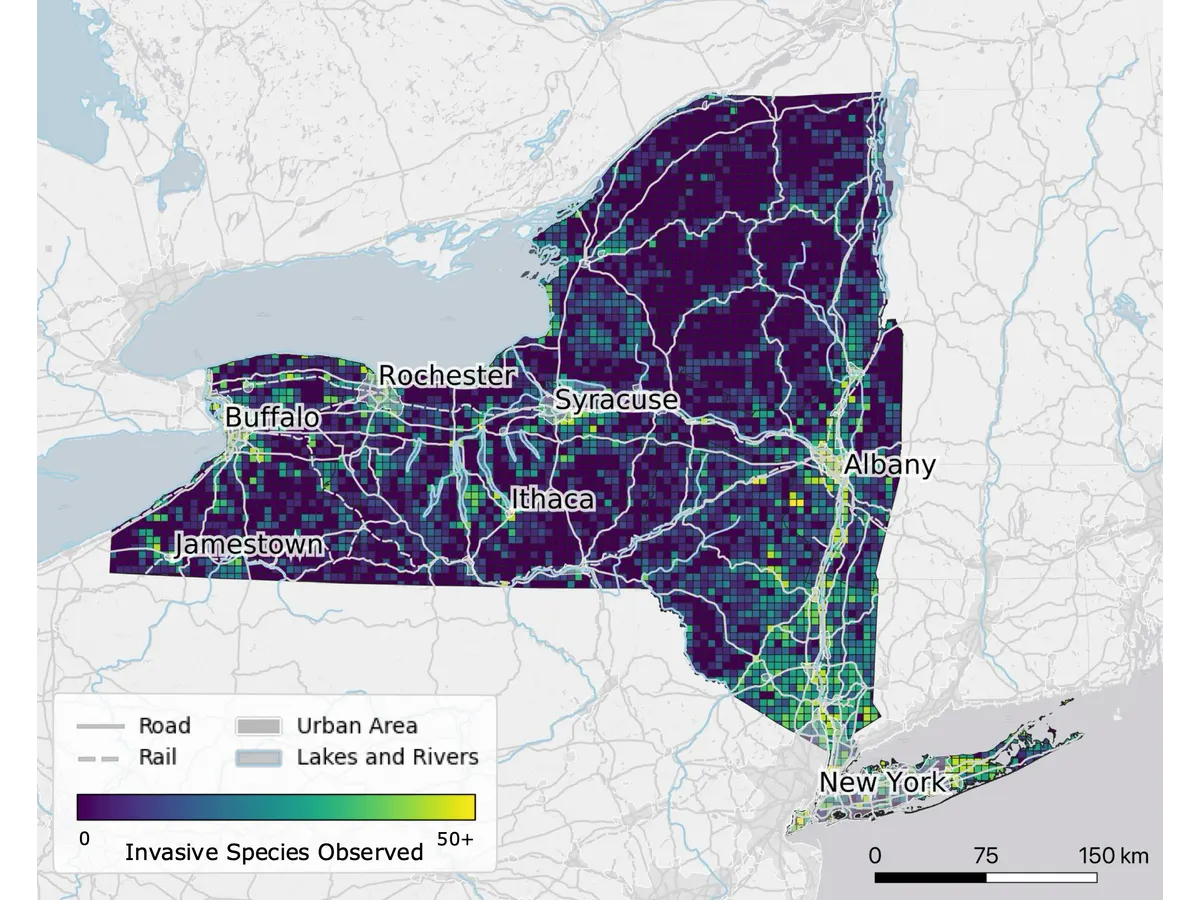
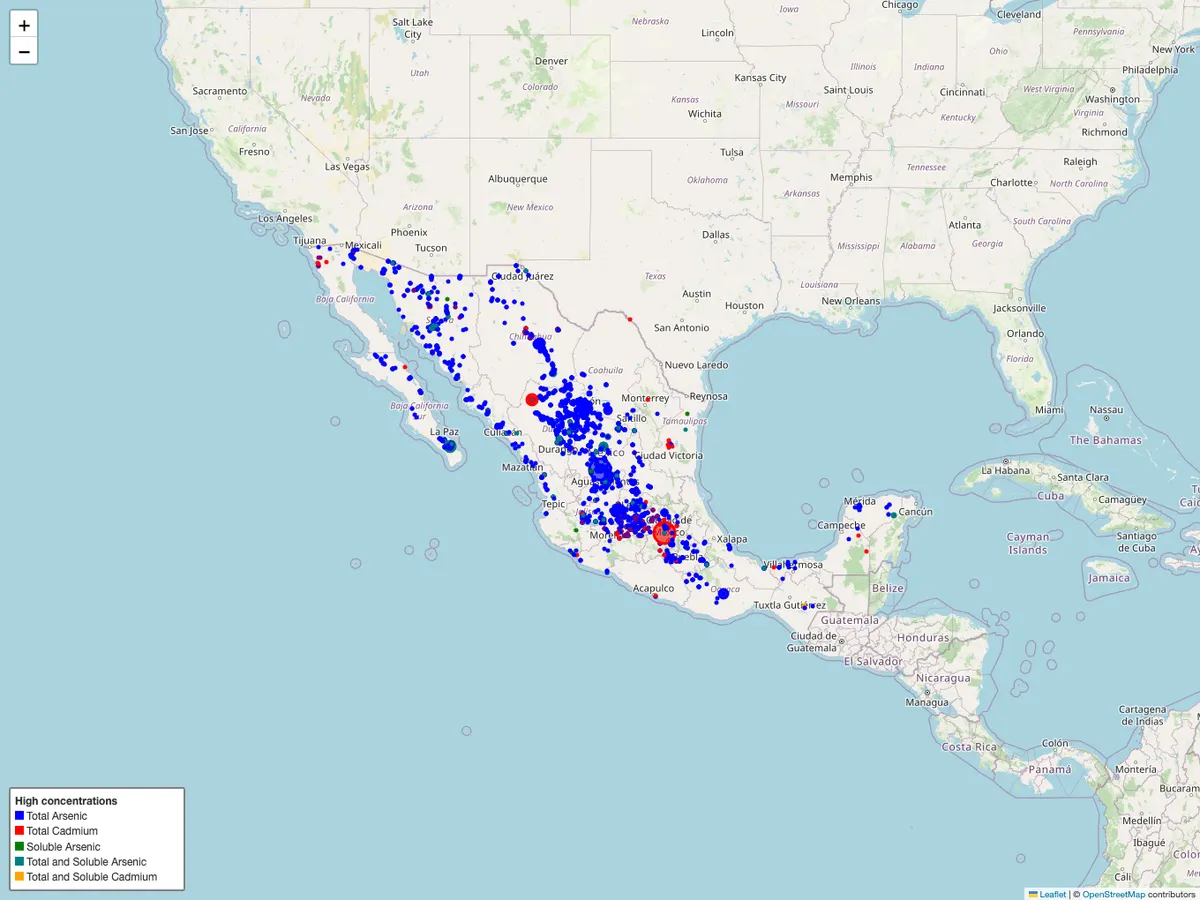
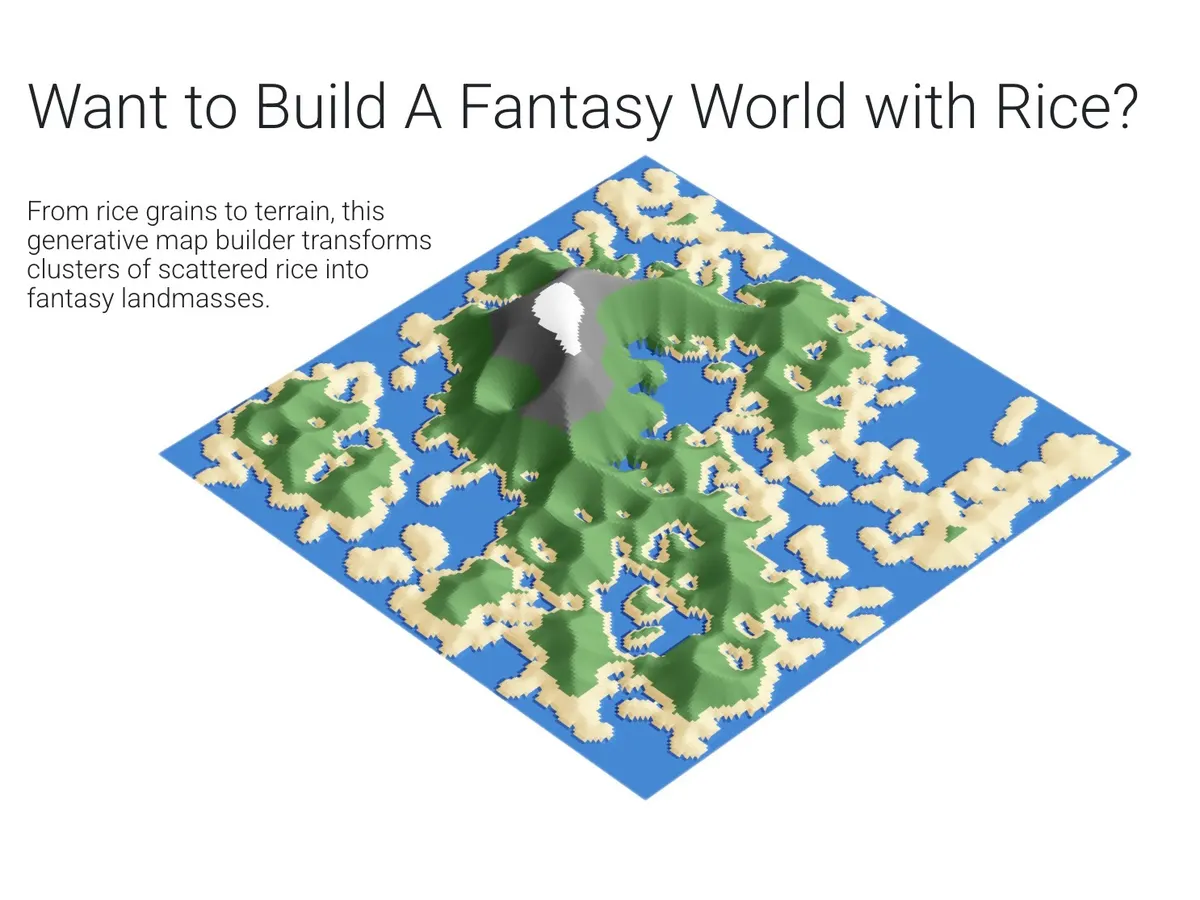
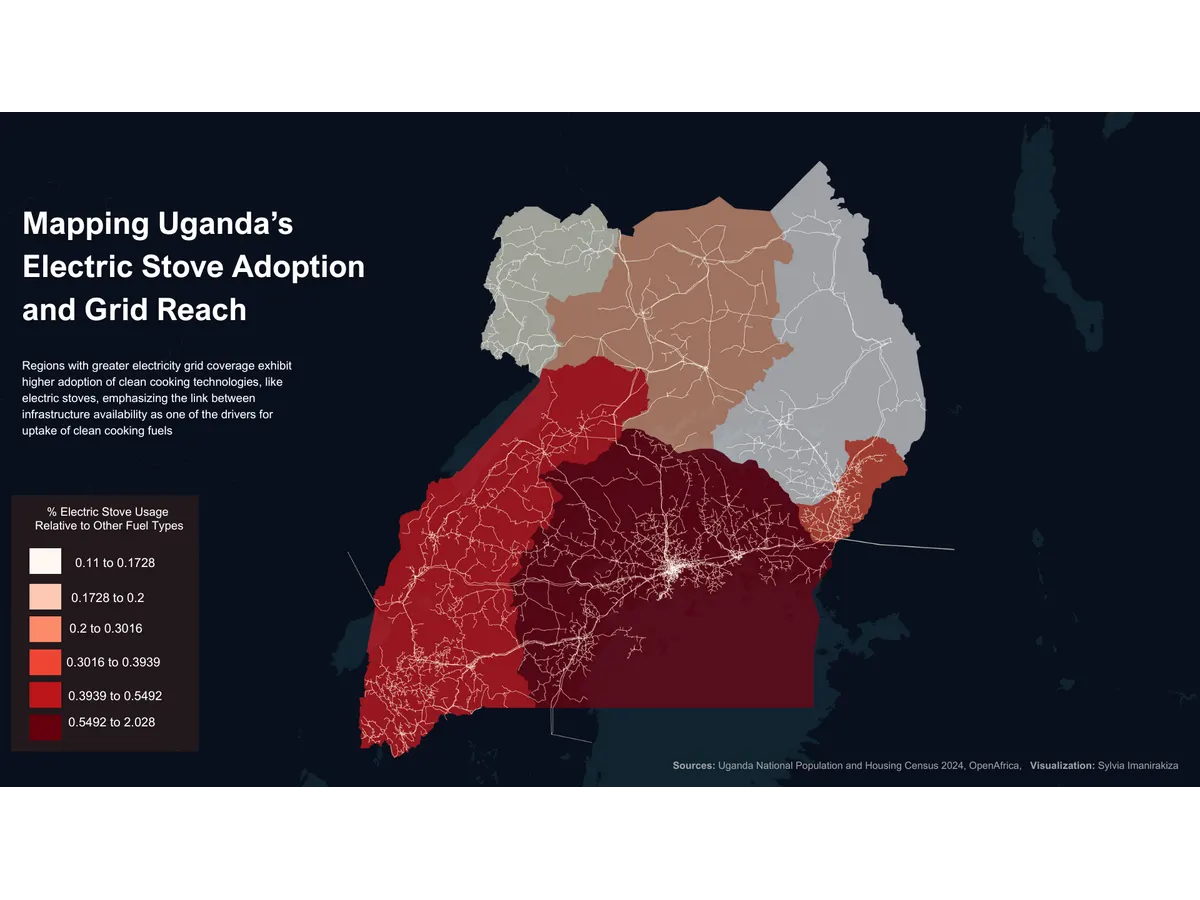
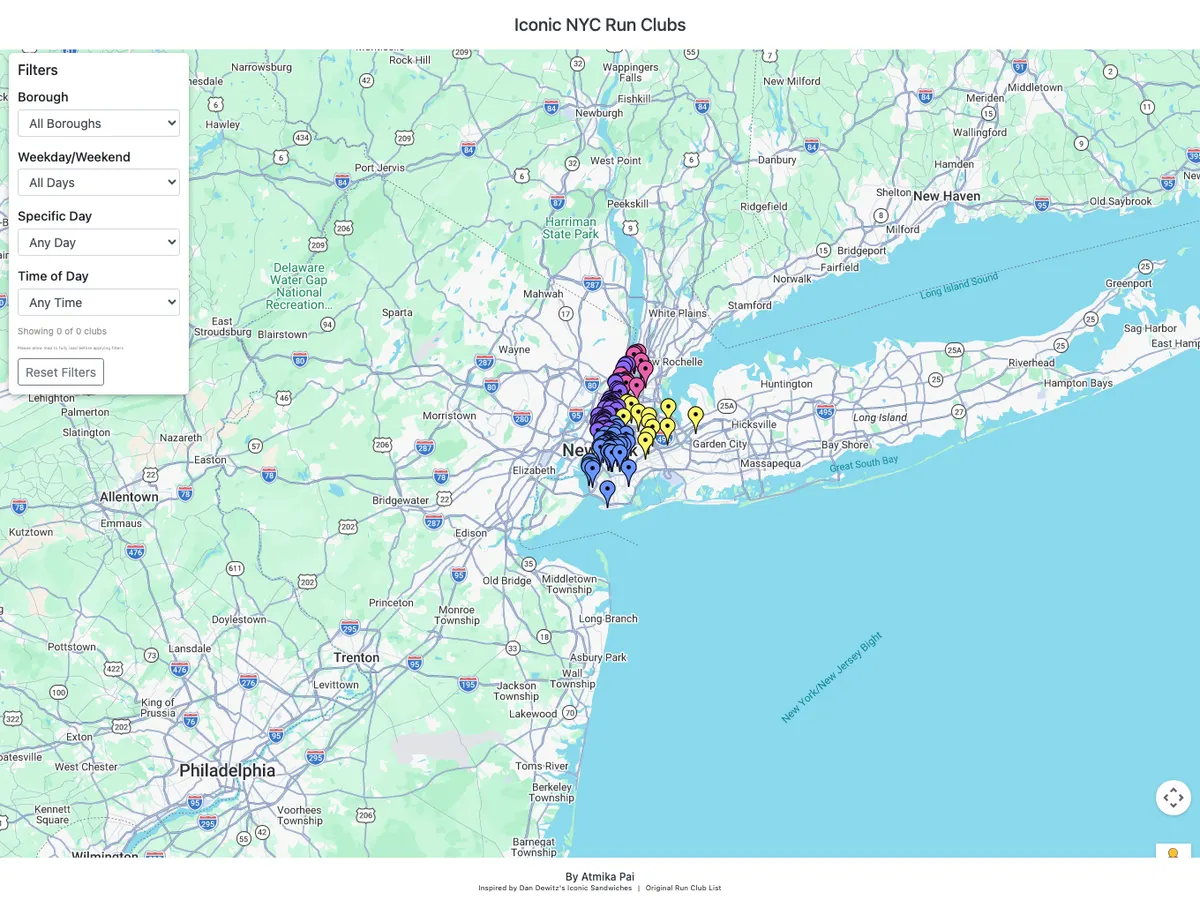
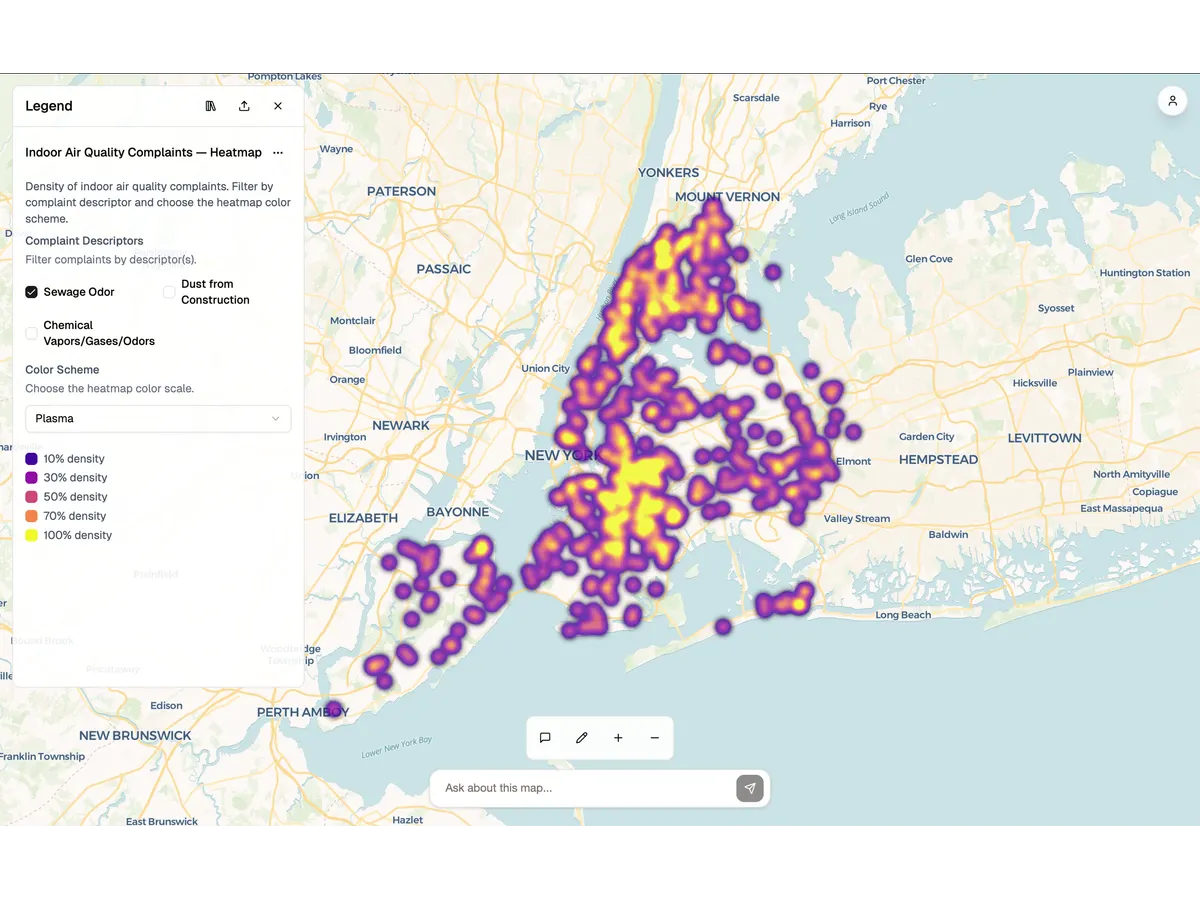
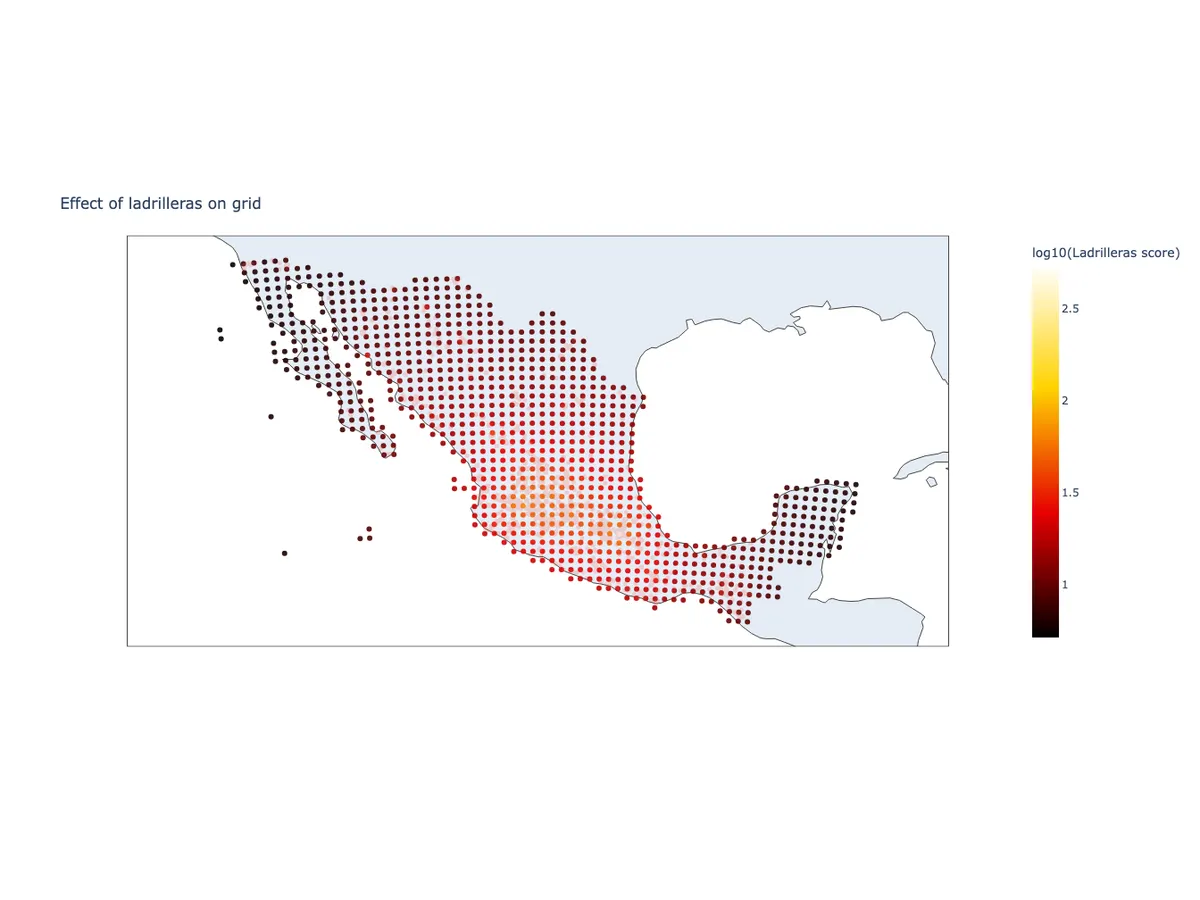
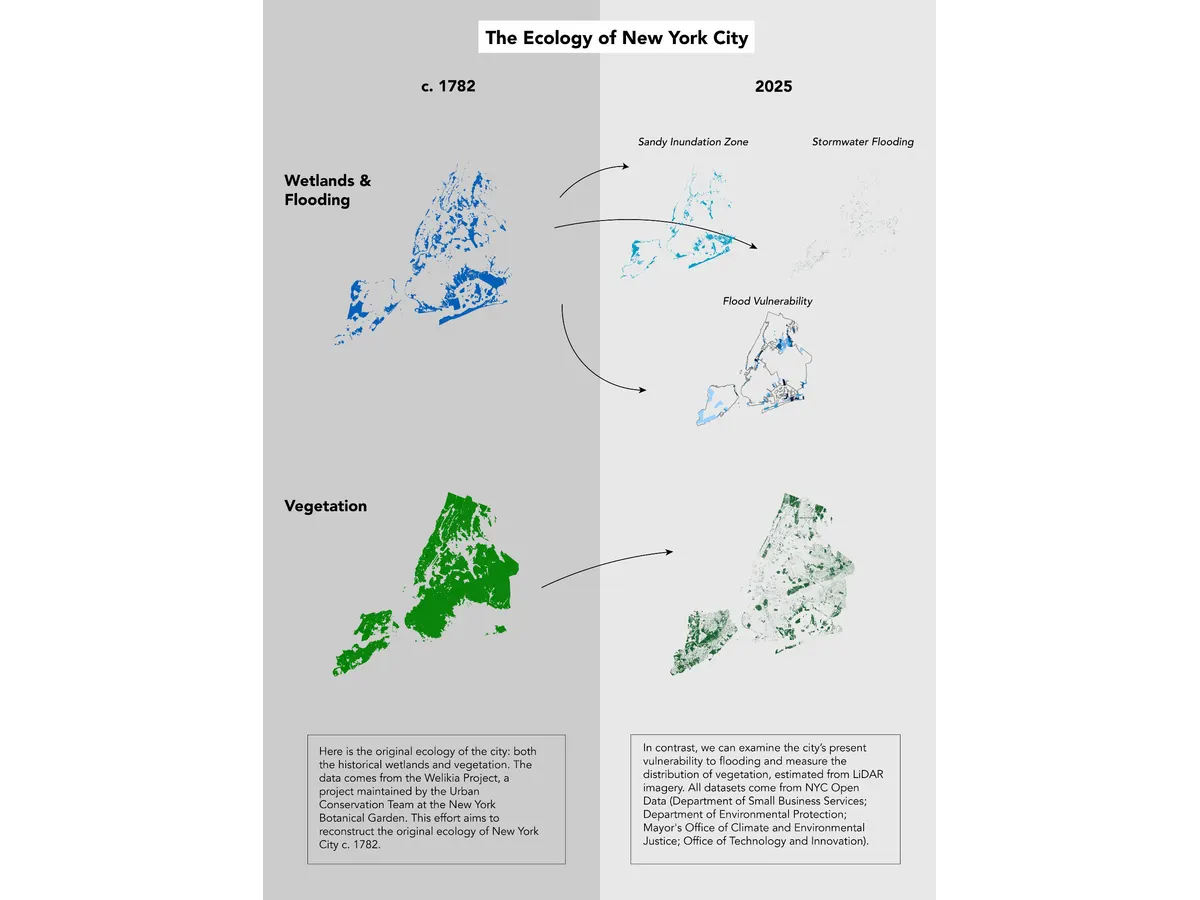
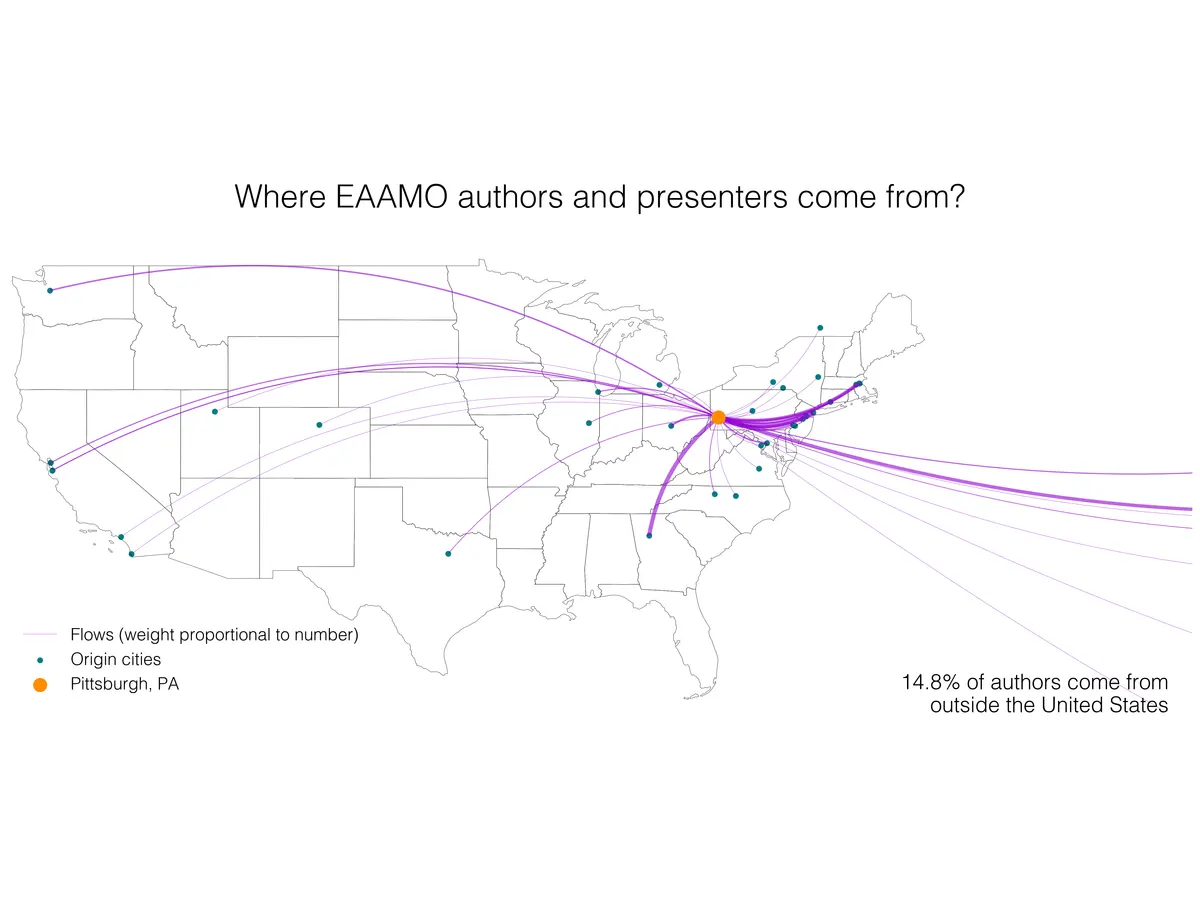
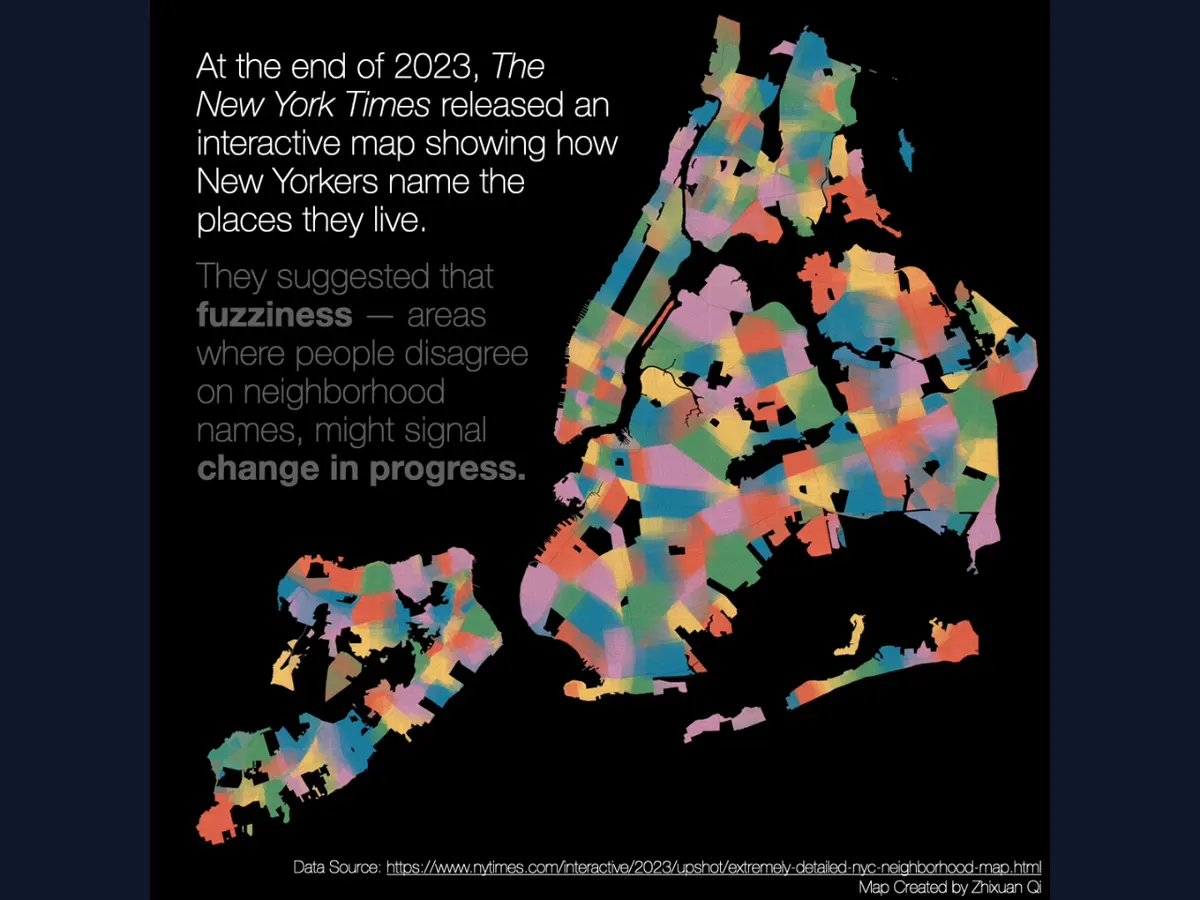
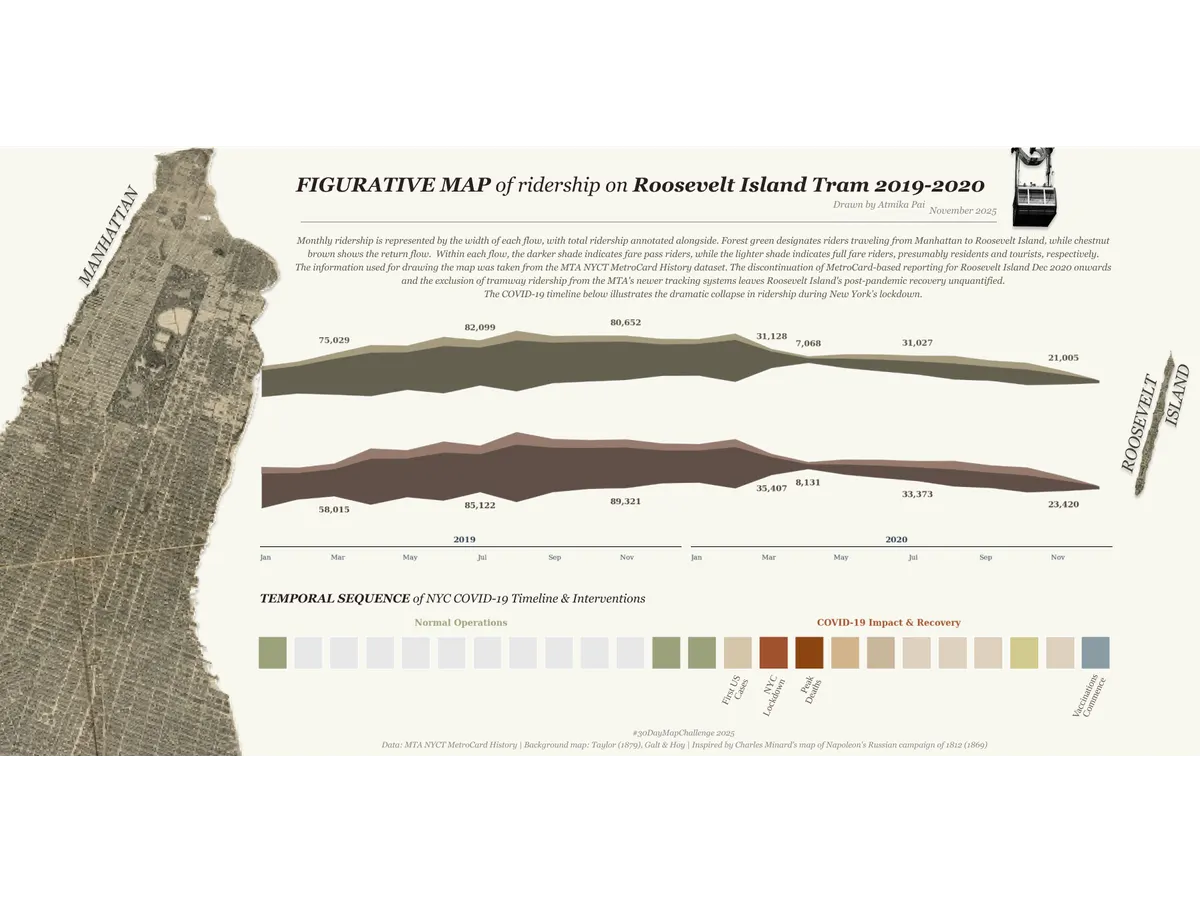
30 Day Map Challenge

WG Activity
mappingactivity30DoM

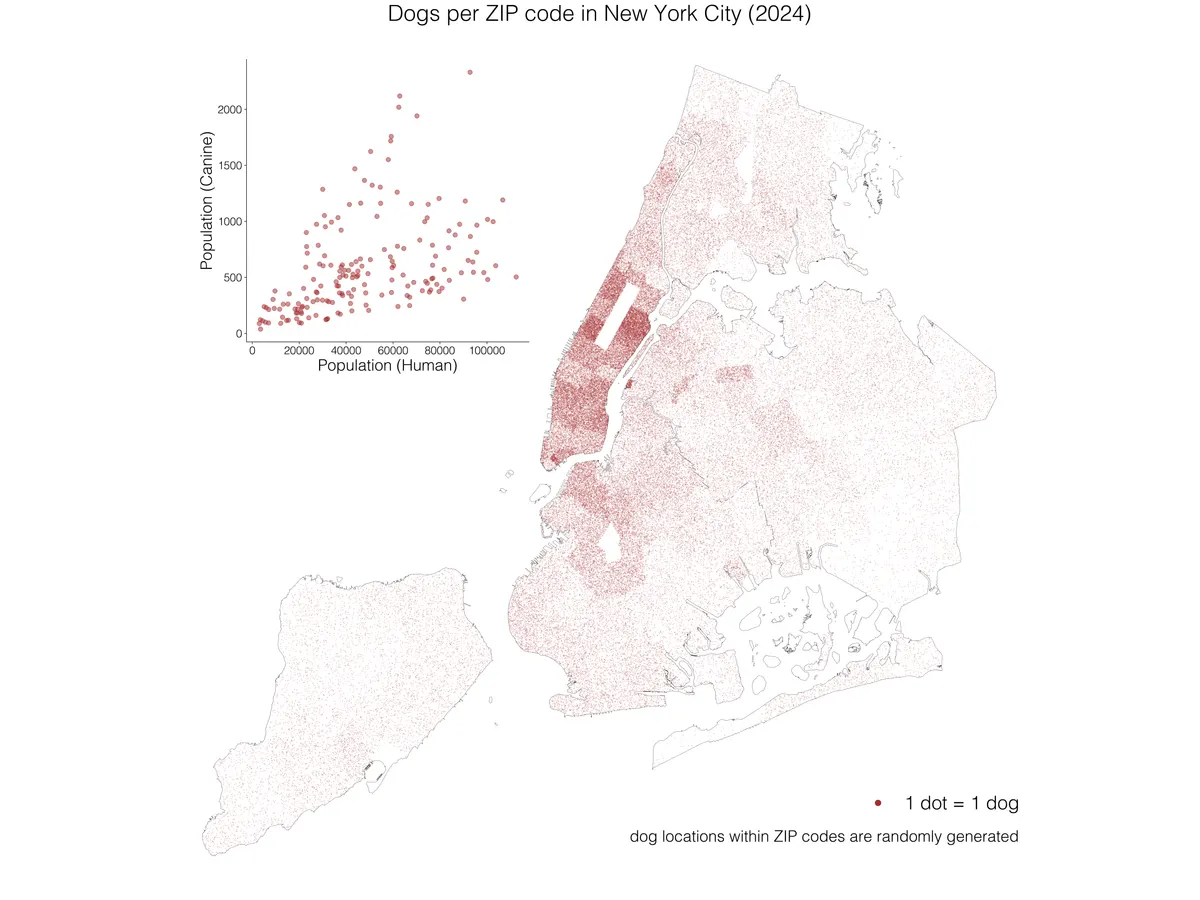
Presenting fun maps, forming mapping groups, setting up a gameplan for the 30 Day Map Challenge (running during the month of November), and walking members through our GitHub repository for the challenge.

Oct 6, 2025

PUBLICSPEAK: Hearing the Public with a Probabilistic Framework

Sabina Tompkins
civic engagementframeworksentiment analysisguest speaker

Local governments around the world are making consequential decisions on behalf of their constituents, and these constituents are responding with requests, advice, and assessments of their officials at public meetings. So many small meetings cannot be covered by traditional newsrooms at scale. We propose PublicSpeak, a probabilistic framework which can utilize meeting structure, domain knowledge, and linguistic information to discover public remarks in local government meetings. We then use our approach to inspect the issues raised by constituents in 7 cities across the United States. We evaluate our approach on a novel dataset of local government meetings and find that PublicSpeak improves over state-of-the-art by 10% on average, and by up to 40%.

Projects

Organizers

Reading List

  • Quantifying spatial under-reporting disparities in resident crowdsourcing · 2023
    Nature Computational Science
  • Using small data to interpret big data: 311 reports as individual contributions to informal social control in urban neighborhoods · 2016
    Social Science Research
  • Distributive justice and equity in transportation · 2016
    Transport Reviews
  • 10.1016/j.jtrangeo.2024.103935
  • 10.32866/001c.21262